
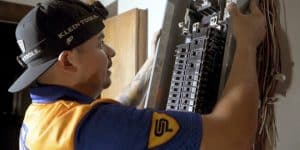
Your circuit breaker is one of the most important safety features in your home, designed to shut off power when there’s an electrical problem. But when it keeps tripping repeatedly, it can be both frustrating and concerning.
Frequent breaker trips can disrupt your daily life and may signal an underlying issue that needs attention. Whether it’s an overloaded circuit, faulty appliance, or something more serious, understanding the cause is the first step to resolving the problem.
In this guide, we’ll explore the most common reasons circuit breakers trip, offer troubleshooting tips, and explain when to call in the professionals at The Problem Solvers. Let’s get started!
1. Common Reasons Your Circuit Breaker Trips
When a circuit breaker trips, it’s doing its job to protect your home from electrical hazards. However, frequent trips usually indicate an underlying problem. Here are the most common causes:
1. Overloaded Circuits
- What Happens: Too many devices drawing power from a single circuit can exceed its capacity, causing the breaker to shut off.
- Common Culprits: Plugging multiple high-power appliances (like space heaters, microwaves, or hair dryers) into the same circuit.
2. Short Circuits
- What Happens: A short circuit occurs when a hot wire touches a neutral wire, creating a surge of electricity that trips the breaker.
- Warning Signs: Burnt smells, blackened outlets, or sparks may accompany a short circuit.
3. Ground Faults
- What Happens: Similar to short circuits, ground faults occur when a hot wire comes into contact with a ground wire or a grounded surface. This is especially dangerous in damp areas like bathrooms or kitchens.
- Safety Concern: Ground faults can pose serious shock hazards and should be addressed promptly.
4. Arc Faults
- What Happens: Arc faults occur when electricity jumps between faulty or damaged wires, creating heat and potentially leading to fires.
- Modern Protection: Homes with arc fault circuit interrupters (AFCIs) are better equipped to detect and prevent these issues.
5. Faulty Appliances or Devices
- What Happens: An appliance with damaged wiring or a malfunctioning motor can draw excessive power, causing the breaker to trip.
- What to Do: Inspect cords, plugs, and the appliance itself for visible damage.
If you notice frequent trips due to any of these issues, it may be time to consult a professional. The Problem Solvers offer expert electrical troubleshooting and repairs to address the root cause and restore your home’s safety.
2. Steps to Troubleshoot a Tripping Circuit Breaker
Before calling a professional, there are a few troubleshooting steps you can take to identify the cause of a tripping circuit breaker. Here’s what to do:
1. Identify the Problem Circuit
- Locate the breaker that tripped in your electrical panel. It will usually be in the “off” position or halfway between “on” and “off.”
- Note which outlets, lights, or appliances are connected to that circuit.
2. Unplug All Devices on the Circuit
- Turn off and unplug everything connected to the circuit, including appliances, lights, and electronics.
- This step eliminates the chance that an overloaded or faulty device is causing the breaker to trip.
3. Reset the Breaker
- Flip the tripped breaker fully to the “off” position, then back to “on.”
- If it stays on, plug devices back in one at a time to isolate the source of the problem.
4. Inspect Outlets, Plugs, and Cords
- Look for signs of damage, such as scorch marks, frayed wires, or melted plastic.
- Avoid using any damaged devices or outlets until they’re repaired.
5. Test the Circuit Again
- After plugging devices back in and testing them, the breaker should remain on. If it trips again, the issue could be with the wiring or the breaker itself.
When Troubleshooting Isn’t Enough
If your circuit breaker trips repeatedly even after following these steps, there may be a deeper electrical issue. Problems like short circuits, ground faults, or an outdated electrical panel require professional attention. The licensed electricians at The Problem Solvers can diagnose and resolve the issue safely and efficiently.
3. When to Call a Professional
If your circuit breaker continues to trip despite your troubleshooting efforts, it’s time to call a licensed electrician. Frequent breaker trips can signal more serious electrical problems that require expert attention to resolve safely. Here are the key signs it’s time to bring in a pro:
1. Recurring Breaker Trips
- If the breaker trips repeatedly, even after unplugging devices, the issue could be faulty wiring, a damaged breaker, or an overloaded circuit.
2. Burnt Smells or Scorch Marks
- A burning odor near your electrical panel or blackened outlets is a warning sign of overheating or short circuits. This is a serious hazard that needs immediate attention.
3. Buzzing or Humming from the Breaker Box
- Unusual sounds from your breaker box may indicate electrical arcing or a failing breaker. Both issues are fire risks and should be addressed promptly.
4. Signs of an Outdated or Overloaded Panel
- Older homes with outdated electrical panels may struggle to handle the demands of modern appliances and devices.
- If your panel still uses fuses or frequently trips, it may be time for an upgrade. Learn more about rewiring your house with The Problem Solvers.
5. Suspected Short Circuits or Ground Faults
- Diagnosing and repairing short circuits or ground faults requires specialized tools and expertise to ensure safety.
Why Choose The Problem Solvers?
Our licensed electricians at The Problem Solvers are experienced in handling all types of electrical problems, from troubleshooting tripping breakers to performing full panel upgrades. Serving San Antonio and surrounding areas, we’re here to provide safe, reliable solutions for your home.

4. Tips to Prevent Circuit Breaker Trips
While some electrical issues are unavoidable, taking proactive steps can reduce the risk of frequent circuit breaker trips. Here are some tips to keep your electrical system running smoothly:
1. Avoid Overloading Circuits
- Distribute Power: Spread appliances and devices across multiple circuits instead of plugging them all into one outlet.
- Use Power Strips with Care: Avoid daisy-chaining power strips, as this can easily overload a circuit.
2. Upgrade Outdated Electrical Panels
- Older panels may not meet the demands of modern appliances. Upgrading to a higher-capacity panel ensures your system can handle today’s electrical loads. Learn about rewiring and panel upgrades with The Problem Solvers.
3. Install Dedicated Circuits for High-Power Appliances
- Large appliances like HVAC systems, refrigerators, and washing machines should have their own dedicated circuits to avoid overloading other circuits in your home.
4. Schedule Regular Electrical Inspections
- Periodic inspections by a licensed electrician can catch potential problems before they become major issues. Contact us to schedule an inspection today.
5. Use AFCI and GFCI Protection
- Arc Fault Circuit Interrupters (AFCIs): Protect against dangerous arc faults.
- Ground Fault Circuit Interrupters (GFCIs): Essential for damp areas like bathrooms, kitchens, and outdoor outlets.
- Many modern homes include these features, but they can be added to older systems for enhanced safety.
6. Unplug Devices When Not in Use
- Devices and appliances left plugged in can still draw power, potentially overloading circuits over time.
7. Keep Electrical Panels Accessible
- Ensure your breaker box is easy to reach and free from obstructions so you can quickly address issues if a breaker trips.
Long-Term Peace of Mind
Preventative maintenance and careful power management can save you time, money, and stress. The expert electricians at The Problem Solvers can help you implement these strategies and keep your home safe.
Conclusion
Circuit breakers are essential for protecting your home’s electrical system, but frequent tripping can be a sign of an underlying issue that needs attention. By understanding the common causes—like overloaded circuits, faulty appliances, or short circuits—you can take the right steps to troubleshoot the problem.
If resetting the breaker doesn’t solve the issue or you notice warning signs like burnt smells, buzzing sounds, or recurring trips, it’s time to call a licensed electrician. At The Problem Solvers, we specialize in diagnosing and repairing electrical issues, from simple fixes to complex rewiring projects. Serving San Antonio and surrounding areas, our team is here to ensure your home’s electrical system is safe and reliable.
Need help with a tripping breaker or an electrical upgrade? Contact us today to schedule a service!